
Champagne: Behind the Bubbles


When we think of Champagne, we often envision moments of celebration - popping corks, toasting to milestones, and enjoying the effervescence in our glasses. But Champagne is more than just a drink, it's a story of tradition, artistry, and terroir that spans centuries.
Champagne is a sparkling wine that comes from the Champagne region, in France, and it is made using a unique method known as the méthode champenoise. This traditional process involves a secondary fermentation in the bottle, which is responsible for creating the signature bubbles that define Champagne. The grapes used are primarily Chardonnay, Pinot Noir, and Pinot Meunier, each contributing distinct characteristics to the wine’s flavor profile.
What sets Champagne apart from other sparkling wines is its terroir - the specific combination of soil, climate, and traditional methods. The region's cool climate, chalky soil, and meticulous craftsmanship are essential to producing the wine's elegant acidity, delicate bubbles, and complex flavors. It’s not just about the grapes; it’s about the environment and the centuries-old techniques passed down through generations.
Canard-Duchêne: A Maison of Tradition
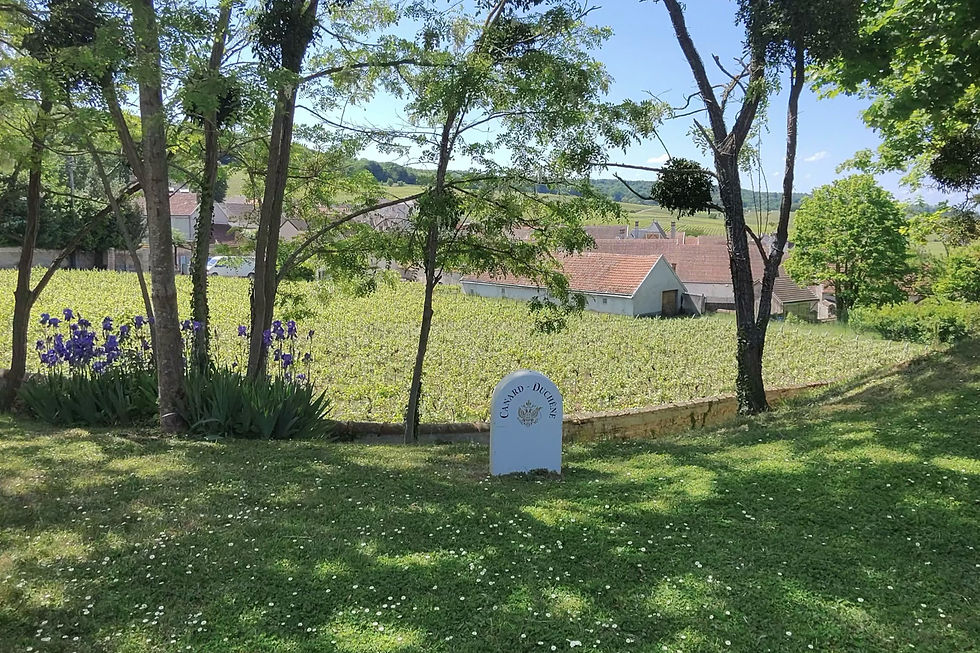
We recently went on a trip to the Champagne region and we had the privilege of visiting Canard-Duchêne, a historic Champagne house founded in 1868. This prestigious maison has long been known for its commitment to quality and tradition.
Canard-Duchêne’s philosophy is grounded in respecting nature and the environment, ensuring that every bottle is crafted with the utmost care. Each of their Champagnes, from their flagship Brut or more exclusive cuvées, tells a story - one that is deeply connected to the land and the history of the house.


Comments